

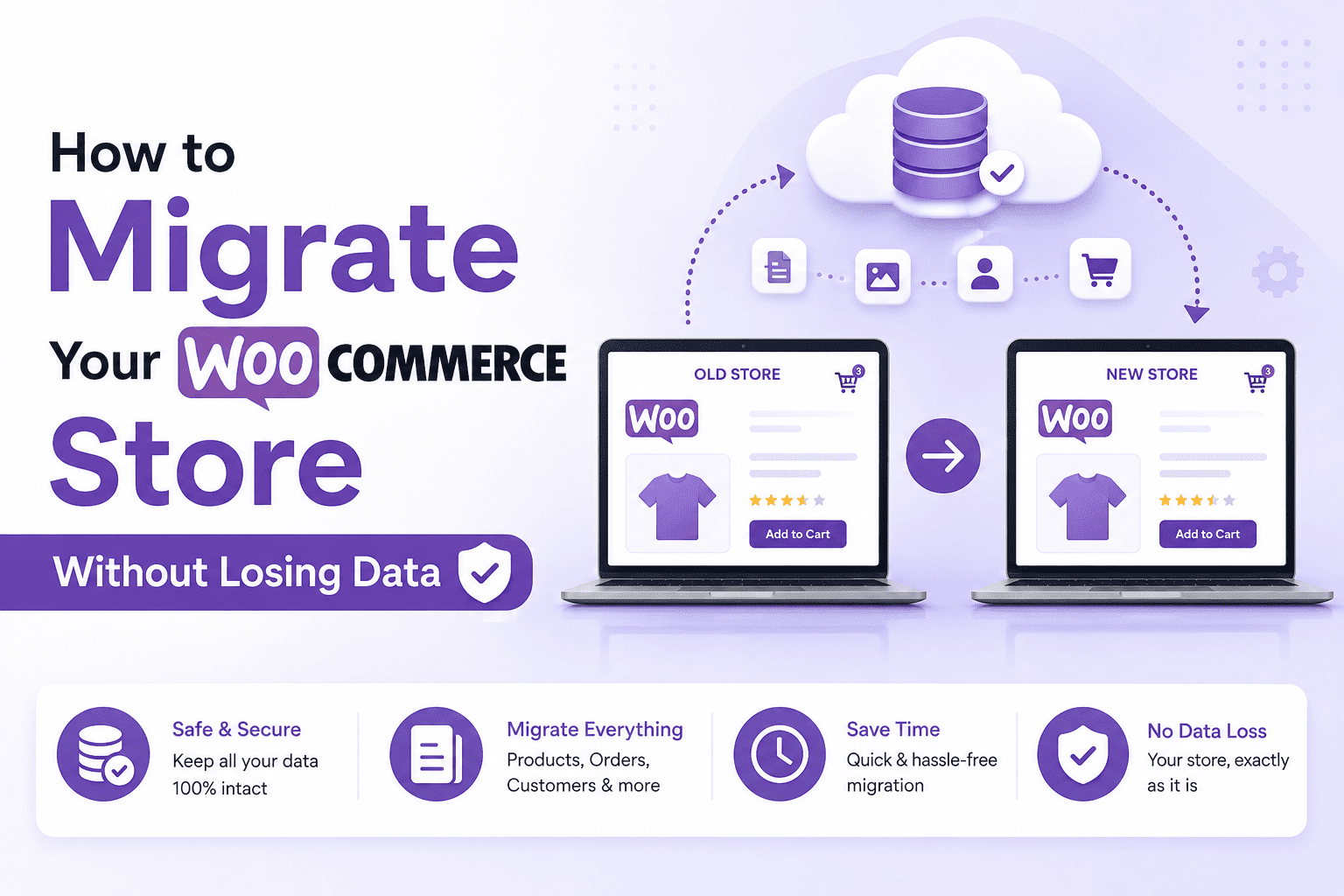

Migrating a WooCommerce store can feel overwhelming, especially when your business relies on accurate product data, customer information, and order history. A single mistake during migration can lead to missing products, broken categories, or lost customer records.
The good news is that with the right preparation and a reliable WooCommerce Import Export solution, you can migrate your store safely and efficiently. This guide walks you through the essential steps to ensure a smooth migration without losing valuable data.
Why Store Migration Requires Careful Planning
Your WooCommerce store contains more than just products. It also includes:
- Products and product variations
- Categories and tags
- Customers
- Orders
- Coupons
- Product images
- Inventory levels
- SEO metadata
Missing even one of these elements can create problems after migration.
Step 1: Create a Complete Backup
Before making any changes, create a full backup of your website.
A backup should include:
- Website files
- WordPress database
- Media library
- WooCommerce data
Having a backup ensures you can restore your store if anything goes wrong.
Step 2: Export Your Existing Data
Export all important WooCommerce data before moving to the new store.
This typically includes:
- Products
- Categories
- Customers
- Orders
- Coupons
Using a structured export ensures all information is ready for import into the new environment.
Step 3: Clean Your Data
Before importing, review your exported data.
Check for:
- Duplicate products
- Empty rows
- Incorrect pricing
- Missing images
- Invalid SKUs
- Outdated products
Cleaning your data before migration helps reduce import errors and keeps your new store organized.
Step 4: Import Data into the New Store
Once your new WooCommerce store is ready, begin importing your data.
A good import tool should provide features such as:
- Smart column mapping
- Bulk import support
- Duplicate record detection
- Import validation
- Detailed import logs
These features help ensure your data is imported accurately and efficiently.
Step 5: Verify Your Store
After the import is complete, carefully review your store.
Check the following:
- Product names
- Product descriptions
- Images
- Categories
- Prices
- Inventory
- Customer accounts
- Orders
- Coupons
Fix any inconsistencies before launching the migrated store.
Common Migration Mistakes
Avoid these common issues during migration:
- Skipping a full backup
- Importing duplicate products
- Incorrect field mapping
- Missing product images
- Broken product variations
- Ignoring import error logs
- Testing directly on the live website
Benefits of Using a WooCommerce Import Export Plugin
A dedicated WooCommerce Import Export plugin simplifies the migration process by allowing you to:
- Import and export data in bulk
- Save reusable import templates
- Map fields automatically
- Filter data before exporting
- Review import history and logs
- Reduce manual work and errors
This makes migrations faster, safer, and more reliable.